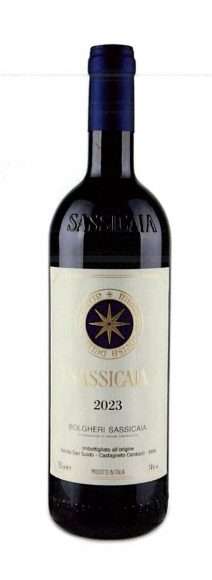
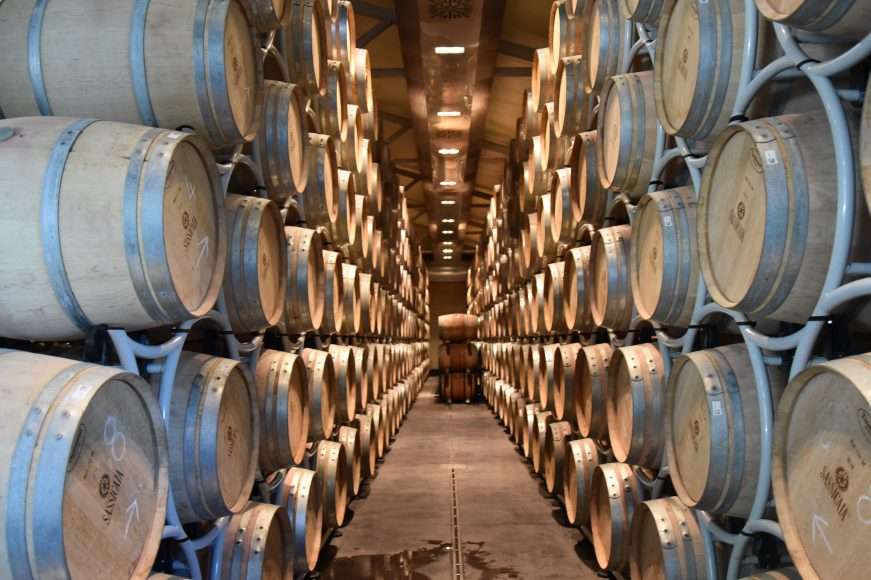
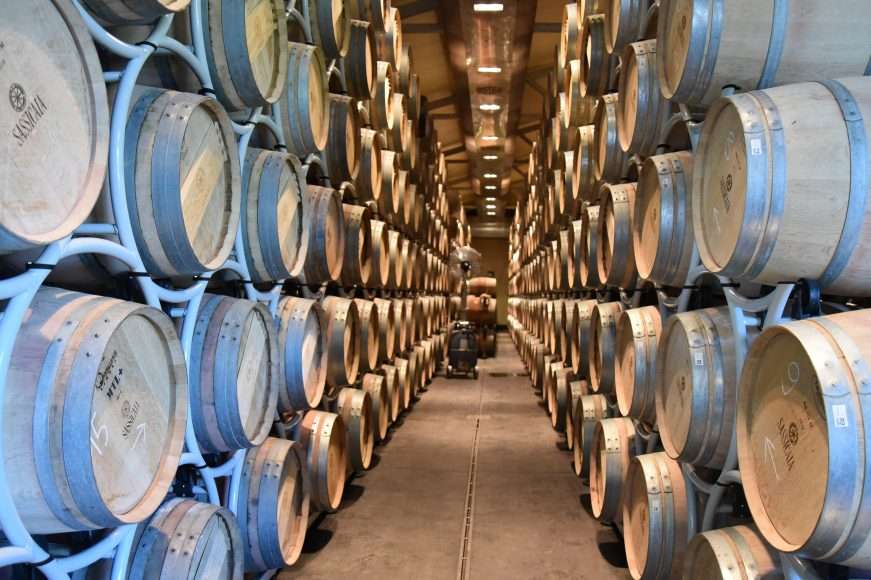
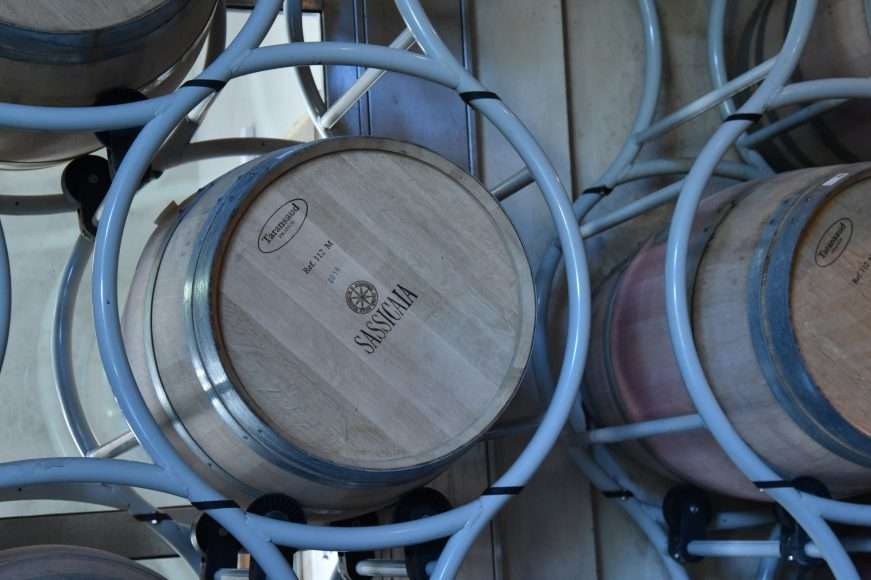
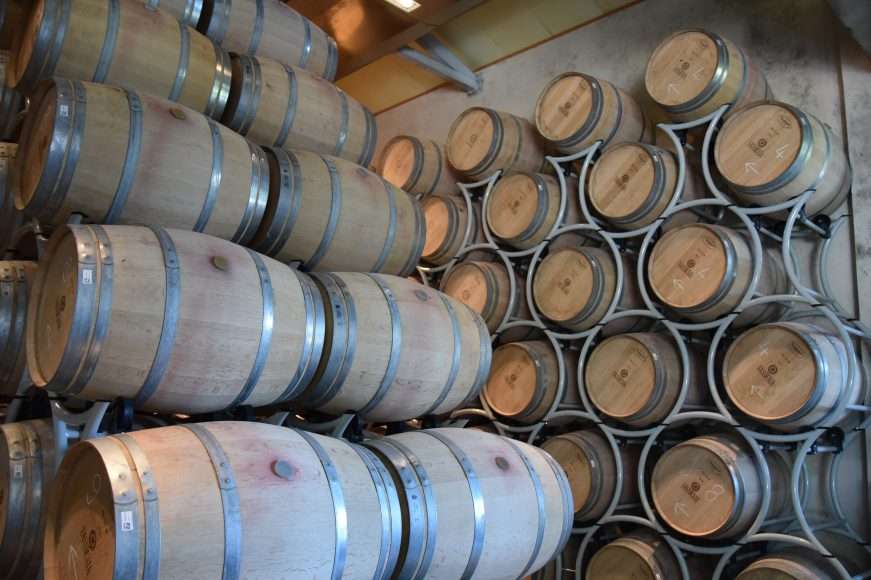
Year after year, Sassicaia confirms itself not only as one of the best Italian wines but also in the world. The 2023 is a blend of 87% Cabernet Sauvignon and 13% Cabernet Franc. Over the past few years, we have witnessed the production of Sassicaia of the highest quality, even in the less fortunate years in terms of climate. Sassicaia has always emerged in splendid form. Starting with the 2011 vintage, which I awarded 95/100, to 2013: 99/100; to 2015: 100/100; to 2016: 100/100 with honors; to 2017: 97/100; to 2018: 98/100; to 2019: 100/100; to 2020: 98/100; to 2021: 100/100; to 2022: 98/100; and finally to 2023: 100/100. But now let’s talk about the climatic trend of the 2023 vintage. In autumn, there were brief rains and temperatures above the seasonal average. The intense cold arrived at the end of December and lasted until mid-February. The winter was generally mild with little rainfall. Bud break began in late March, and the climate was such as not to damage the buds. Both during the spring and at the beginning of the summer there were frequent rainfalls, but of modest intensity. Thanks to the intense work in the vineyard, the vines did not suffer any fungal attacks. There was a loss of production due to the persistent rains which caused a lower density of berries in the bunches. During the first part of the summer the temperatures were not high and the rains kept the subsoil cool and well-watered. July was hot but the vines were kept under temperature control. During the second week of August there was a disturbance of Atlantic origin which brought rain and lower temperatures. From August 15th the temperatures rose again but the new rains lowered them again. The harvest began on September 4th and ended on October 5th. The yield per hectare was 30/35 quintals for the older vineyards and 60/70 quintals for the more recent vineyards. Fermentation took place in stainless steel while The wine was aged in barriques for 24 months, 40% of which were new, 40% first-use, and 20% second-use. Let’s now describe this 2023 vintage, making a preliminary note about tannins. Regarding the width of the tannin, it’s important that I clarify the following points so it can be understood. I taste the tannin in the wine on the upper gum. The total width of the tannin is 6/6, that is, the entire width of the upper gum. Obviously, if the tannin is less wide, it could be, for example, 5/6, and so on. The width of the tannin is important when its quality is good or high. The broader the tannin, the more worthy the wine is of attention, but the tannin, as I have specified, must, in any case, be of good quality. Let us now move on to describe the wine tasted. TENUTA SAN GUIDOSASSICAIA, 2023 vintage Bolgheri Sassicaia D.O.C. (Blend: 87% Cabernet Sauvignon and 13% Cabernet Franc) It shines through in the glass with an intense ruby red color. A rich and varied olfactory kaleidoscope with aromas of plum, blackberry, blueberry, cassis, intense bergamot, mint, eucalyptus, black pepper, nutmeg, incense, light coconut, sea water (it is the same as the scent of the white inner part of the watermelon rind), green tea, intense graphite, amber, licorice, dried violet, light leather from fine tanning, light clay to finish with very light puffs of lavender soap. The taste encounter reveals a slightly plus medium body and an intense flavor of fresh plum and blueberry, I would say squeezed. The rich freshness completely envelops the alcohol mass making the wine perfectly balanced. The tannins are sweet, completely broad (6/6), silky and thick. Its persistence on the palate is long with a finish of plum and blueberry.
(100/100)
It is a wine that is already, from now on, pleasant to drink.